Where Did the Bones in Your Broth Come From? And What Else May Be Hidden Inside?
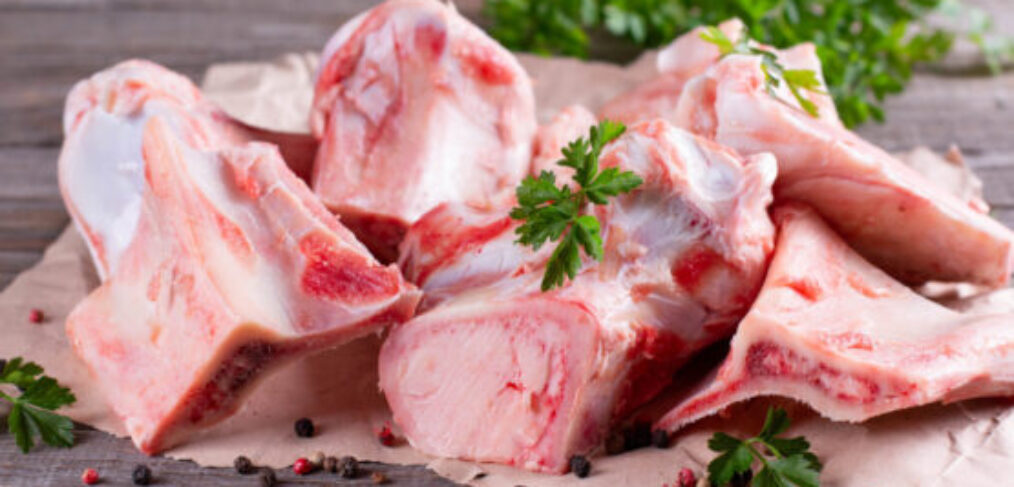
“Why is your broth so expensive?” Is a question I do get asked, although not a lot, sometimes followed by a comment such as, “I have been buying bone broth at Costco (or any other given store) for a lot less.
I am fortunate to live and sell my broths in a place where there is a strong interest in health and wellbeing and many agree with the concept that you get what you pay for; my customers recognize and appreciate that what they’re getting is the best.
What does that mean?
The ingredients are properly sourced; they come from local farmers and growers who raise and feed their animals properly and grow their produce organically. Some also have the even higher distinction of being regenerate and / or biodynamic.
The ratio of bones to water is such that the flavor comes through distinctly.
The product is made by hand.
The packaging is glass.
Eight years later, we remain a small business; a local, grassroots company and we have a product I stand behind and feel proud of.
Now… let’s talk about the other products on the market.
How do you know if what you’re getting is what you think you’re getting?
This is not a piece about negative speak on different brands.
Rather, it’s what to look for when you’re buying other broths to make sure you’re ingesting collagen, amino acids, protein and electrolytes in the perfect balance to help build and support a healthy gut.
Here is my “packaged bone broth” check list to follow in order to make sure you’re only getting what’s listed above and not downing any hidden, untoward surprises.
I separate commercially available broths from what you might make at home simply because if you take the DIY approach, you’ll have complete control of what you’re getting and be able to completely engineer a whole-food, no additive product.
Incidentally, it’s not even that hard. It takes a while, yes, however it’s not hands-on like making French Macarons. It’s just time. Click here for my easy homemade bone broth recipe.
- Where did the bones come from?
- You’re looking for grass-fed and finished, pasture-raised and organic. If you can find regenerative, even better. If the label doesn’t show these distinctions, keep looking. Remember, the bones of animals that were raised improperly, including inhumane treatment, poor quality food, given hormones and antibiotics will contain all of the above and will be delivered right to your gut. In addition, improperly sourced bones made into broth are more likely to contain lead. Precisely the opposite of what you thought you were doing when you set out to nourish it! The price goes down when the manufacture purchases cheap bones; remember what you’re getting when you let cheat be your guiding factor.
2. What is the broth packaged in?
While a frozen broth packaged in a plastic pouch will certainly contribute to a lower price point for the consumer, it will also contribute to the negative load on your body when you drink something that is likely to have leached the plastic into the food itself. We’re exposed to enough microplastics that we’re not even aware of, so why would we intentionally want to drink more of them? Even broths packaged in what appears to be a more sustainable package, like a tetra pack which can be roughly 75% paper still contain about 25% polyethylene to act as a liner and sealant. This makes recycling problematic, not to mention that it adds a does of phthalates into each cup.
3. How does it taste?
One of the first things I noticed about many commercially prepared broths was the taste. And it wasn’t good. The first reason I even began to think about having a bone broth company was this reason. I was recommending broths to all my nutrition clients as many were experiencing some degree of gut dysbiosis. When I’d suggest adding bone broth to their regime, they’d ask which kind I’d recommend. I’d suggest following my simple recipe and making it at home. Many declined. When I purchased one of every brand I could find back in 2018, it was challenging to say the least to find any that tasted decent, were properly sourced and which were not packaged in plastic. Some tasted so awfully, I couldn’t drink it and some were so bad, our dogs turned their noses up and walked away from their bowls!
By using these three common sense steps, you’ll make it easy on yourself to find the best broth and then be able to truly nourish your gut the way you’ve intended to.
Trust this over whichever brands might be popping up on your social feed or trending due to a hefty advertising campaign.
And don’t be too surprised if you land where I did – just making it yourself is the best way to go. Plus, if you’re making it for yourself and your family out of your own leftovers, you’re truly contributing to the nose to tail concept; using the whole animal (rather than throwing out the bones in a hefty bag), really is the most respectful way to go.