Protein Powders : Choosing the Best Supplement
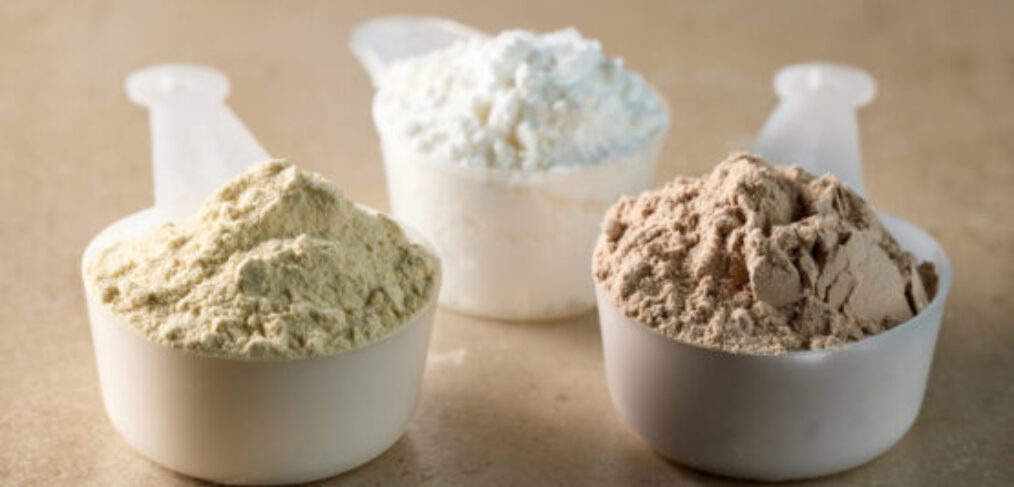
“What is your favorite protein powder?” Is a question I get asked a lot.
Whether it’s because it feels like an easy, quick way to get in some extra amino acids for moms on the go or for the simplicity of creating a post workout recovery drink, protein powders are a high demand commodity.
Market trends show that nearly half of Americans regularly consume protein powders, making it a $19 billion industry in 2025 (1).
Though there are only about seven categories of types of proteins used in these powders ( whey, soy, casein, pea, brown rice, collagen and hemp). Forbes reports there are over 4,000 brands on the market place (2), potentially making it quite complicated to chose wisely.
Not only do we need to first decide which type of protein we’re interested in, we need to research where the protein, as well as all the other ingredients listed on the label came from and on top of that, figure out whether or not we can trust what we’re being fed, pun intended.
With over 10,000 chemicals and additives are allowed in U.S. food, with a significant portion categorized as Generally Recognized as Safe (GRAS) (3) , this is far from an easy task.
Here are some simple steps to help you sift through all the options out there and choose the brand that is the cleanest, healthiest option for you and your family.
First, remember that protein powder is a supplement, not the main source of protein in one’s diet. If, over the course of your week, you’re eating wild bison, grass fed and finished, pasture raised beef, pasture raised eggs and perhaps some wild, local fish, you’re providing much more diversity to your gut compared to making the same protein smoothie day in and day out.,
Decide which type of protein powder lines up with whichever eating approach you intend to follow and then do your homework in order to really understand what you’re buying into.. For example, years ago, when I was a hardcore vegan, I had this idea that eating soy was a great idea.
Back then, I did not understand the importance of sourcing animal protein properly, nor did I know that the soy industry is a major driver of deforestation in the amazon. Now, with other plant based protein powders on the market such as pea or rice, there are more vegan choices, yet we still can’t safely just throw a bag of either in our shopping carts and hope for the best. As of late 2023, a massive amount of high-protein content (HPC) pea protein in the U.S. came from China, with reports indicating Chinese imports accounted for 96.6% of purchases by certain major U.S. buyers in 2022 (4). Pea protein coming in from China may come from contaminated soil and may contain lead, pesticides and who knows what else. These are just two examples of some unspoken consequences we could be buying into if we don’t do our research in advance.
Also look at the other ingredients on the label and check to make sure you can identify them all as foods. If there are items listed you cannot, as well as if there items listed you recognized that you’ve already determined are not a good fit for your body, you can scratch those brands off the list, too. Some brands may appear to be good choices based on what they list, yet even then there can be confusion; for instance, most commercial monk fruit sweeteners contain erythritol, as it is commonly blended with pure monk fruit extract to mimic the texture, bulk, and 1:1 measurement ratio of table sugar (5), yet the erythritol does not need to be listed on the ingredient label.
Once you narrow it down to a few choices, take it one step further and reach out to the manufacturer and ask the questions that remain. Where did the beef protein powder come from? Were the cows pasture raised and only grass fed? I made the mistake a while back by not doing this and found out after buying a certain brand of egg white powder, that the the eggs came from factory farms. Never again.
When I reached out to Paleo Valley (6), I was so happy with their responses and transparency. I learned that they use only 100% grass-fed and finished bone broth protein with colostrum, avoiding common additives, fillers, and industrial seed oils found in many commercial brands. Its products are specifically designed for gut health, offering high collagen content and dairy-free options with minimal, real-food ingredients.
As someone who’s followed an authentic Paleo diet for over 20 years, which has:
– Healed ALL my gut issues
– Allowed me to compete at a high level at ironman triathlon
– Have an amazing pregnancy at age 43
-Continue to run, swim, hike and do yoga and pilates regularly
I don’t put anything in body unless I know it will serve me well.
Finding a bone broth powder that I could trust was important because I wanted to be able to have a brand to refer clients to as well as to have on hand at home. It comes in handy for making a low glycemic shake as well as on the creative front, for making fun children’s recipes. I came up with a hot chocolate using the Paleo Valley Chocolate powder, warmed up raw whole milk, blended with a tablespoon of raw butter. Way more balanced that anything you’ll find at your local cafe.
Whether you’re like me and have come full circle back to eating an ancestral diet with cyclical fasting, even after a foray into the worlds of vegan, blood type and zone or are walking a different path, doing your due diligence prior to ingesting mysterious powders will only serve you well.
(1) https://www.gminsights.com/industry-analysis/protein-powder-market
(2) https://www.forbes.com/sites/forbes-personal-shopper/article/best-protein-powder/
(3) https://www.fda.gov/food/food-additives-petitions/substances-added-food-formerly-eafus
(4) https://agfundernews.com/the-future-of-the-us-pea-protein-industry-in-grave-peril-says-puris-as-us-investigates-flood-of-cheap-imports-from-china
(5) https://ific.org/insights/everything-you-need-to-know-about-monk-fruit-sweeteners/
(6) https://paleovalley.everflowclient.io/affiliate/signup/?p=F5LFHQ21